 |
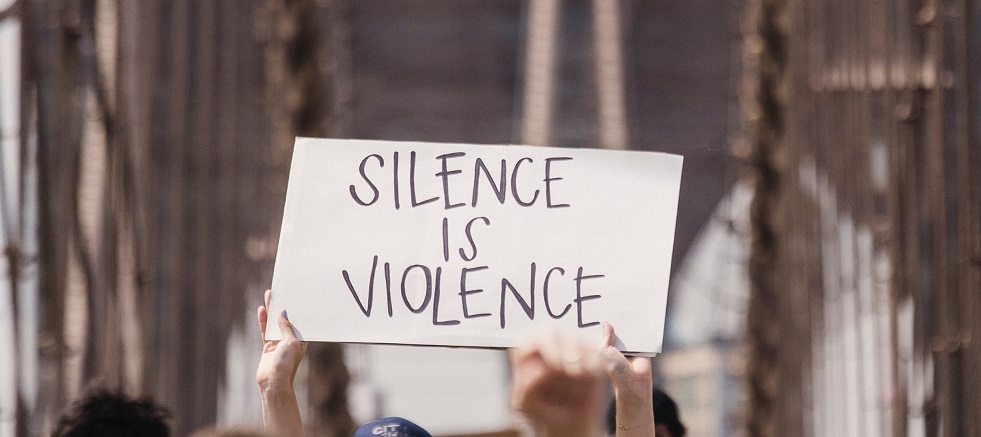
Speaking out during times of conflict is often when free speech matters most. |
The First Amendment matters most when people disagree with those in power. It's easy to support free speech when everyone shares the same opinion. The real test comes when someone questions the government's decisions, especially during a time of war.
During World War I, individuals who spoke out against the war or criticized government actions could face punishment. Laws were used to stop people from sharing opinions that challenged the government's position. To me, that seems completely opposite of what free speech is supposed to protect.
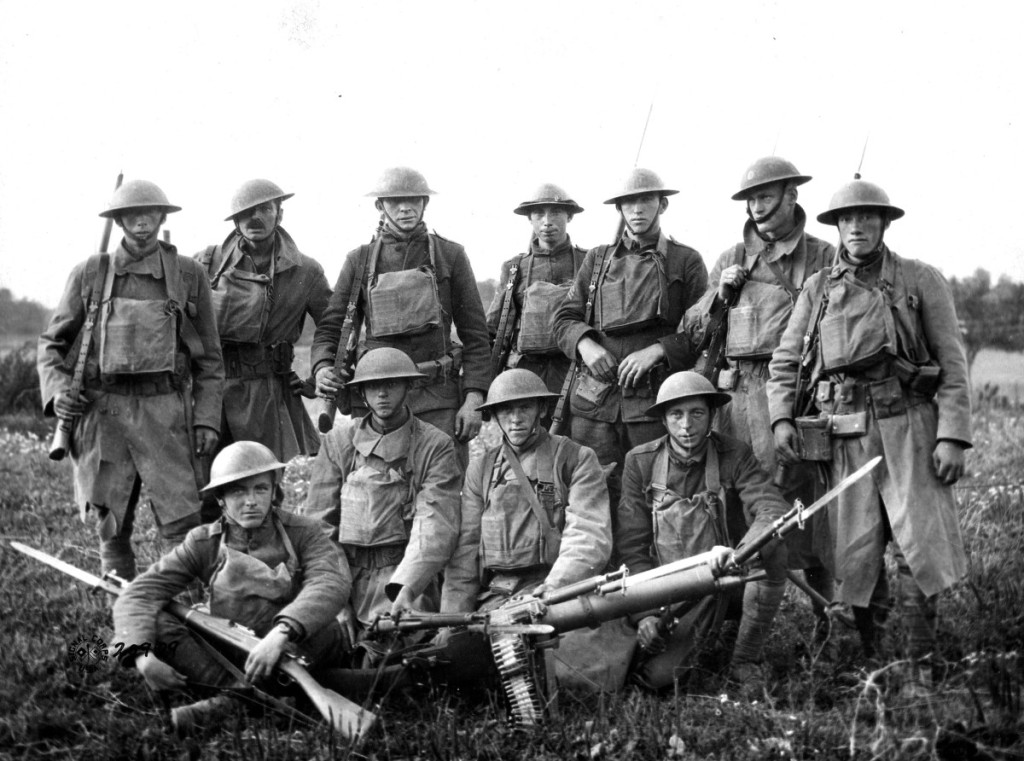
When leaders try to silence criticism, it raises concerns about whether citizens are truly free to express themselves. Free speech should not only apply to popular opinions. It should also protect voices that challenge government policies and encourage public discussion.
Free expression helps create informed citizens. People should be able to listen to different viewpoints, ask questions, and reach their own conclusions without fear of being silenced.
I believe hearing different sides of an issue is especially important when the stakes are high. Decisions involving war can impact entire countries, families, and future generations. If only one perspective is allowed into the conversation, people lose the opportunity to fully understand what is happening.

At the same time, many of these websites remain unfamiliar to the general public. Before learning about anti-war publications, I had never heard of some of them myself. That shows how easily alternative viewpoints can be overshadowed by larger and more established media outlets.
The more I think about it, the more I wonder: if freedom of speech is considered such a fundamental right, why does it seem to face the greatest challenges during times of war?
